


Coconut oil has been an important part of Indian cooking and traditional personal care for generations. However, the quality of coconut oil depends on much more than the coconut itself. Every stage of production, from selecting raw materials to processing, filtration, storage, and packaging, can influence the final product. This is why hygiene and quality control in coconut oil production are essential for maintaining consistency, purity, freshness, and product safety.
For consumers looking for pure coconut oil, understanding how the oil is produced can make it easier to choose a product that meets appropriate quality standards. A well-managed production process helps reduce contamination risks, maintain the natural characteristics of the oil, and ensure that the finished product is handled and packaged under controlled conditions.
Why Hygiene Matters in Coconut Oil Production
Hygiene is important throughout the entire coconut oil production process. Coconut products pass through several stages before reaching consumers, and poor handling at any stage can affect the quality of the finished oil.
A hygienic production environment helps minimize the risk of contamination from dust, microorganisms, foreign materials, equipment residues, and improper handling. Production areas, processing equipment, storage facilities, and packaging sections therefore need appropriate cleaning and maintenance procedures.
Good hygiene practices also extend to the people involved in production. Workers should follow suitable personal hygiene practices and handling procedures when working with food products. Clean equipment, organized work areas, and proper handling procedures together contribute to a controlled manufacturing environment.
Selecting Quality Coconuts
Quality control begins before the coconut enters the processing facility. The quality of the raw material has a direct influence on the quality of the finished coconut oil.
Mature, properly selected coconuts are important for producing coconut oil with desirable characteristics. Raw materials should be inspected to identify damaged, spoiled, contaminated, or unsuitable coconuts before they enter further processing.
At Gramco Coconut Oil, coconuts are sourced from farmers in the Malabar region of Kerala. Careful sourcing and selection of raw materials form an important part of maintaining consistency throughout the production process.
Proper Copra Preparation
For coconut oil production, proper copra preparation is an important stage because the quality of the dried coconut kernel can influence the quality and characteristics of the final oil. Mature coconuts need to be carefully selected, prepared, and dried under suitable conditions before they move to the oil extraction stage.
Hygienic handling and appropriate storage of copra can help maintain the quality of the raw material and reduce the risk of contamination. This makes copra preparation an important part of quality control in coconut oil production.
At Gramco Coconut Oil, the coconuts sourced from the Malabar region of Kerala undergo careful preparation before oil extraction. The company also follows a sulphur-free copra processing approach as part of its production process.
Maintaining the quality of copra from preparation through storage helps provide suitable raw material for the subsequent cold-pressing stage, contributing to consistency in the finished coconut oil.
Maintaining Hygiene During Oil Extraction
The oil extraction stage requires clean and properly maintained equipment. Processing machinery comes into direct contact with the raw material and the oil, making equipment hygiene particularly important.
Regular cleaning and maintenance can help prevent the accumulation of residues and reduce the possibility of unwanted material entering the product. Production equipment should also be operated according to appropriate procedures to maintain consistency between batches.
For cold-pressed coconut oil, processing conditions are also important. Controlled pressing can help maintain the desired characteristics of the oil while avoiding unnecessary exposure to excessive heat during extraction.
Gramco Foods follows a low-temperature cold-pressing process, with the oil extracted below 50°C. This process is part of the company’s approach to producing its cold-pressed coconut oil.
Filtration and Removal of Unwanted Particles
After extraction, coconut oil may contain small particles or naturally occurring residues that need to be removed before packaging. Filtration is therefore another important step in maintaining product quality.
An appropriate filtration process helps produce a cleaner and more consistent finished oil. The filtration equipment and surrounding environment should also be maintained hygienically to prevent contamination after the oil has been extracted.
Quality control should not stop once the oil has been pressed. Each subsequent stage can influence the final product.
Quality Checks During Production
Quality control involves monitoring the product at different stages rather than checking it only after production is complete.
Depending on the manufacturing system and applicable standards, quality checks may cover raw materials, processing conditions, appearance, consistency, packaging, storage conditions, and other relevant product parameters.
These checks help manufacturers identify potential issues early and maintain consistency between production batches.
For a coconut oil manufacturer, systematic quality control can help ensure that the product reaching consumers is handled according to established production and food-safety procedures.
Clean and Suitable Storage Conditions
Even properly produced coconut oil needs appropriate storage. Exposure to contaminants, unsuitable temperatures, moisture, or poor handling can affect product quality.
Storage areas should therefore be clean, organized, and maintained appropriately. Containers should remain properly closed and protected from external contamination.
Proper storage is particularly important between production and packaging, as well as during the period before finished products are distributed.
Safe and Hygienic Packaging
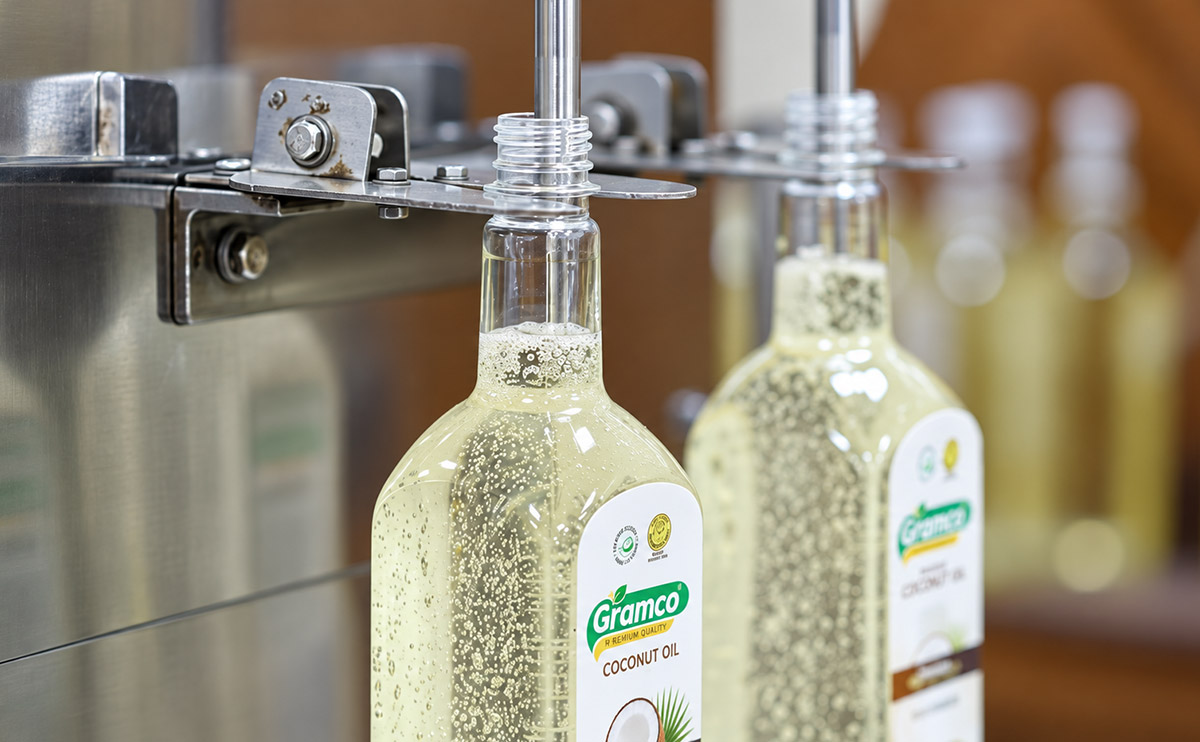
Packaging is the final major stage before coconut oil reaches consumers. Clean packaging materials and appropriate filling procedures help protect the finished product from external contaminants.
Suitable packaging helps maintain product quality throughout transportation and storage. Properly sealed containers can help maintain product integrity and prevent unwanted substances from entering the product.
Clear labeling is another important aspect of quality control. Product information, batch details, manufacturing information, storage instructions, and other required details help consumers understand and properly handle the product.
The Role of Certifications and Food Safety Standards
Food manufacturers can use recognized food safety systems and certifications as part of their approach to quality management. Standards and certifications can establish structured requirements for areas such as hygiene, manufacturing processes, documentation, traceability, and quality control.
For consumers, certifications can provide additional information about the systems followed by a food manufacturer. However, it is still useful to understand that overall product quality depends on consistent practices across sourcing, processing, testing, packaging, and storage.
Quality control is also supported by recognized certifications and structured production practices. Gramco Coconut Oil holds certifications including AGMARK, HACCP, and ISO-2018, reflecting its focus on maintaining appropriate quality and hygiene standards throughout production.
Why Quality Control Matters to Consumers
Consumers generally want coconut oil that is consistent, properly processed, hygienically handled, and suitable for its intended use. Quality control helps manufacturers work toward these expectations.
A controlled production process can help maintain consistency in characteristics such as appearance, aroma, and overall product quality. It also helps manufacturers identify problems before products are distributed.
For consumers purchasing pure quality coconut oil, looking beyond the front label can therefore be useful. Information about sourcing, production methods, quality standards, certifications, packaging, and storage can provide a better understanding of how the product is made.
Choosing Coconut Oil from a Quality-Focused Manufacturer
When buying coconut oil, consumers can consider several factors before making a purchase. Checking the type of oil, processing method, ingredient information, packaging details, manufacturer information, and relevant certifications can help with product selection.
For those specifically looking for cold-pressed coconut oil, understanding the extraction process is also important. A manufacturer that clearly explains where its coconuts are sourced and how the oil is processed provides greater transparency about the product.
Gramco Coconut Oil focuses on sourcing coconuts from the Malabar region of Kerala and producing coconut oil through a controlled cold-pressing process. The company’s production approach includes careful raw-material handling, low-temperature pressing, filtration, and quality checks before bottling.
From Raw Coconut to Finished Product
Producing quality coconut oil is a process that involves multiple stages. It begins with selecting suitable coconuts and continues through copra preparation, storage, oil extraction, filtration, quality checks, and packaging.
At every stage, hygiene helps protect the product from contamination, while quality control helps maintain consistency and identify potential problems. These two elements work together to support a controlled coconut oil production process.
For manufacturers, maintaining appropriate hygiene and quality procedures is not simply about the final product. It is about establishing responsible practices throughout the entire production chain.
For consumers, understanding these practices can make it easier to make informed choices when purchasing coconut oil. Whether the oil is being used for cooking or other traditional purposes, choosing a product from a manufacturer that emphasizes proper sourcing, hygienic processing, quality control, and transparent production practices can provide greater confidence in the product.
Gramco Coconut Oil combines Kerala’s traditional connection with coconut oil with a controlled production approach focused on quality and consistency. From sourcing coconuts from the Malabar region to cold-pressing and quality checks, each stage plays a role in producing the finished coconut oil.
Frequently Asked Questions
Hygiene helps reduce the risk of contamination during coconut oil production and supports the quality and consistency of the finished product.
Quality control helps monitor important stages such as raw material selection, copra preparation, oil extraction, filtration, testing, storage, and packaging.
Good-quality, mature coconuts provide suitable raw material for oil production. Careful selection and handling help maintain consistency throughout the production process.
Proper copra preparation helps maintain the quality of the dried coconut kernel before it moves to the oil extraction stage.
Yes. Gramco follows a sulphur-free copra processing approach as part of its coconut oil production process.
Filtration helps remove unwanted particles and residues from the oil, contributing to a cleaner and more consistent finished product.
Gramco Coconut Oil holds certifications including AGMARK, HACCP, and ISO-2018, supporting its focus on quality and hygiene practices.
Laboratory testing helps assess relevant quality parameters and supports consistency and quality control before the product reaches consumers.
